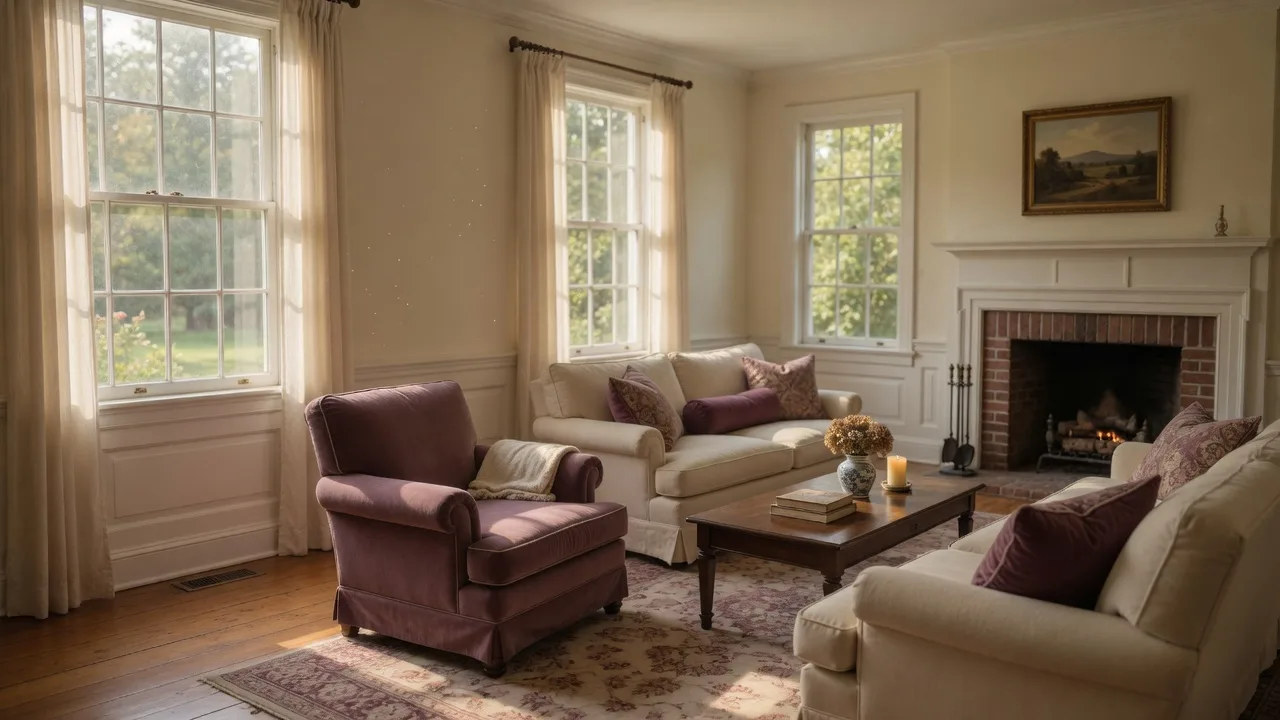

If you're 55 or older and own a home in the Washington, DC metro area, I want you to think about one simple question: Will your home still fit your life 3-5 years from now? Not 20 years from now. Not for the rest of your life. Just the next three to five years.
You may love your home. You may have raised your children there. Your mortgage may have a very low interest rate. You may have paid it off years ago. And you may have absolutely no desire to move. That's okay. This isn't about convincing you to sell your home. It's about making sure you're staying because the house still works for you, not simply because moving is something you'll get to next year. That's an important difference.
AARP's research found that 75% of adults 50 and older want to remain in their current homes as they age. Yet 44% expect they may eventually move. So there is a pretty big gap between what most of us want and what we think may actually happen. I think we can do a better job planning for that gap.
This Is Personal for Me Too
I've been in real estate for decades, but my interest in this subject isn't just professional. I've dealt with many of the situations I'm going to talk about, personally, with my own family and friends, and with families I've helped professionally. I've seen someone's health change much faster than anyone expected. I've watched one spouse suddenly become the caregiver for the other. I've seen families trying to figure out whether Mom or Dad can safely return home. I've watched people struggle with stairs in a house they've loved for decades. I've seen what happens when a home that worked perfectly for 30 years suddenly doesn't work anymore. And I've seen how quickly a decision everyone thought they had years to make can become a decision that needs to be made right now.
Like most people, I've also watched my own priorities change as I've gotten older. We joke about it. You go to bed feeling perfectly fine and wake up wondering: Where did THAT pain come from? There's some truth behind the joke. The house that worked perfectly for us 20 years ago may not be the house that works best 5 years from now.
That's why I don't believe this conversation should start with "Should I sell my house?" It should start with: How do I want to live? What does my spouse need? What happens if something changes? And will my home continue to support the life I want? I've seen what happens when families plan ahead. I've also seen what happens when life makes the decision for them. I'd much rather help you plan while you still have choices.
Six Questions to Ask Before Deciding to Age in Place
If you're considering aging in place in Maryland, Washington DC or Northern Virginia, I believe these are six of the most important questions to answer.
1. Can I Safely Age in Place in My Current Home?
Direct answer: For many DC Metro homes, the honest answer is: not without some changes. If you could not use the stairs tomorrow, could you still sleep, bathe, cook, enter and do laundry on one level? The Census Bureau found only about 40% of American homes are potentially aging-ready, so most houses need at least some modification to support aging in place safely.
Here's a simple test. Imagine that tomorrow you temporarily couldn't use the stairs. Maybe you injured your knee, had hip surgery, or you're using a walker for six weeks. Could you comfortably live on the main level of your house? Where would you sleep? Do you have a full bathroom, or just a powder room? Can you safely get into the shower? Can you enter the house without climbing steps? Can you reach the kitchen? Where is the laundry? Could you move through the house using a walker? These questions matter.
The U.S. Census Bureau found that only about 40% of American homes had the three basic features it used to define a home as potentially aging-ready: a step-free entry, plus a bedroom and full bathroom on the entry level. That means roughly six out of ten homes didn't even meet those three basic conditions. And that's before we talk about showers, doorway widths, lighting, flooring or other accessibility issues.
This can be particularly important in the DC Metro area, where we have many traditional Colonials, Cape Cods, split-levels and older homes. Many were designed around raising a family: bedrooms upstairs, full bathrooms upstairs, laundry downstairs, a powder room on the main level, steps coming through the front door or garage. That's not bad design. It may have worked beautifully when you were 40. Your needs changed. The house didn't. So don't ask only "Do I love my house?" Also ask: "Will this house still work if my physical needs change?"
For neighborhood-level looks at two DC Metro communities, see our guides to aging in place in Rockville and aging in place across Rockville and Silver Spring.
2. Can My Home Be Modified for Aging in Place and Is It Worth the Cost?
Direct answer: Often, yes, with the right improvements. A main-level bedroom, an expanded bathroom, a safer entrance, better lighting and railings can buy years in a home you love. AARP found 43% of adults 50 and older expect to need changes for future physical needs. The key is knowing what to change, what it costs, and what it buys you.
Finding problems with your house doesn't mean you need to move. Quite the opposite. If the house can reasonably be modified, those improvements may buy you years in a home and neighborhood you love. Maybe a main-level office becomes a bedroom. Perhaps the powder room can be expanded into a full bathroom. Maybe laundry can be relocated. A safer entrance could be created. Lighting could be improved. Railings and grab bars could be installed. A shower could be redesigned. Perhaps a stair lift makes sense.
AARP found that 43% of adults 50+ expect they'll need to make changes to their home to accommodate future physical needs. Among those anticipating modifications, bathrooms and easier access into and around the home are major priorities.
But here's where I think people need to slow down. Don't spend $50,000, $100,000 or more without understanding what you're trying to accomplish. Ask: What needs to change? What will it cost? How much additional time could these changes realistically give us here? Will the house work for both spouses? Will we still like living here after the modifications? And finally: Would this money be better spent modifying this house, or moving to a home that already works for us?
That's where bringing in the right experts becomes important. An occupational therapist or aging-in-place specialist may see things you and I don't. A qualified contractor can tell you what is physically possible. A financial or tax professional can help with the money side. My role isn't to pretend I know everything. My role is to help you ask the right questions and bring in the right people when needed. To get a realistic sense of project costs before you decide, see our breakdown of what home modifications for aging in place cost.
3. Can I Really Afford to Stay in My Home?
Direct answer: Maybe, but a paid-off house is not a free house. Property taxes, insurance, utilities, maintenance, repairs and big-ticket items like a roof or HVAC keep coming. AARP found 60% of adults 50 and older who expect to move cite lowering housing costs, and 55% cite property taxes. Calculate the real annual number before you decide.
I hear some version of this often: "Our house is paid off. It doesn't cost us much to live here." Having no mortgage is a wonderful financial position. But there's an important distinction. A paid-off house isn't a free house. You still have: property taxes, homeowners insurance, electricity, gas, water, landscaping, cleaning, repairs, maintenance, HOA fees if applicable. Then there are the big-ticket items: roof, HVAC, windows, plumbing, electrical systems, appliances, driveways, decks, exterior maintenance. And the older the house becomes, the more of these items can start showing up.
Your mortgage payment may be fixed. Your property taxes, insurance, utilities and maintenance costs aren't necessarily fixed. AARP found that among adults 50+ who expect to move, 60% cited lowering housing and maintenance costs, while 55% cited property taxes. So don't simply compare mortgage versus no mortgage. Calculate: what does this house really cost us every year? Then compare that number with your alternatives.
You may discover staying is clearly the best financial choice. Great. Or you may discover you're spending a lot more than you realized maintaining rooms, land and square footage you rarely use. Knowing the number gives you choices.
4. Should I Age in Place or Downsize?
Direct answer: This is the question people expect a Realtor to answer, but it isn't the right first question. The better question is: which choice gives you the better life over the next 3-5 years? Stay if the house works and you love where you live. Modify if smart improvements keep you comfortably at home. Move if another home serves your life better. There is no predetermined answer.
This is the question people expect me to answer because I'm a Realtor and Seniors Real Estate Specialist. But I don't think it's the right first question. The better question is: which choice gives you the better life over the next 3-5 years? There are three main options.
STAY: maybe your house already works, you love your neighborhood, your expenses are manageable, your friends and family are nearby, the layout works, you can maintain it without the house becoming a burden. Great. Stay. There's no rule saying you have to downsize because you reached a certain age.
MODIFY: maybe you love your home and location, but the house needs some changes. Then let's determine what those changes really involve: can we create main-level living, change the bathroom, the entrance, laundry, stairs, lighting, maintenance? If smart improvements let you safely and comfortably remain in a home you love for years, that may be money very well spent.
MOVE: maybe modifying the house doesn't make financial or practical sense, or maybe the house isn't really the problem; maybe you're tired of maintaining it, you want one-level living, a smaller yard, a condo, a 55+ community, more activities, more travel, or you'd simply like to be closer to your children or grandchildren. Moving doesn't mean giving up your independence. Sometimes moving is how you protect it. For a fuller look at the downsizing side of this decision, see Should I Downsize My Home?
Not Sure Which One Makes Sense?
You don't need to decide today. If you'd like, we can spend a little time talking through your house, what you're concerned about and what the different options might look like. There is no assumption that you're selling. Sometimes the answer really is: stay right where you are.
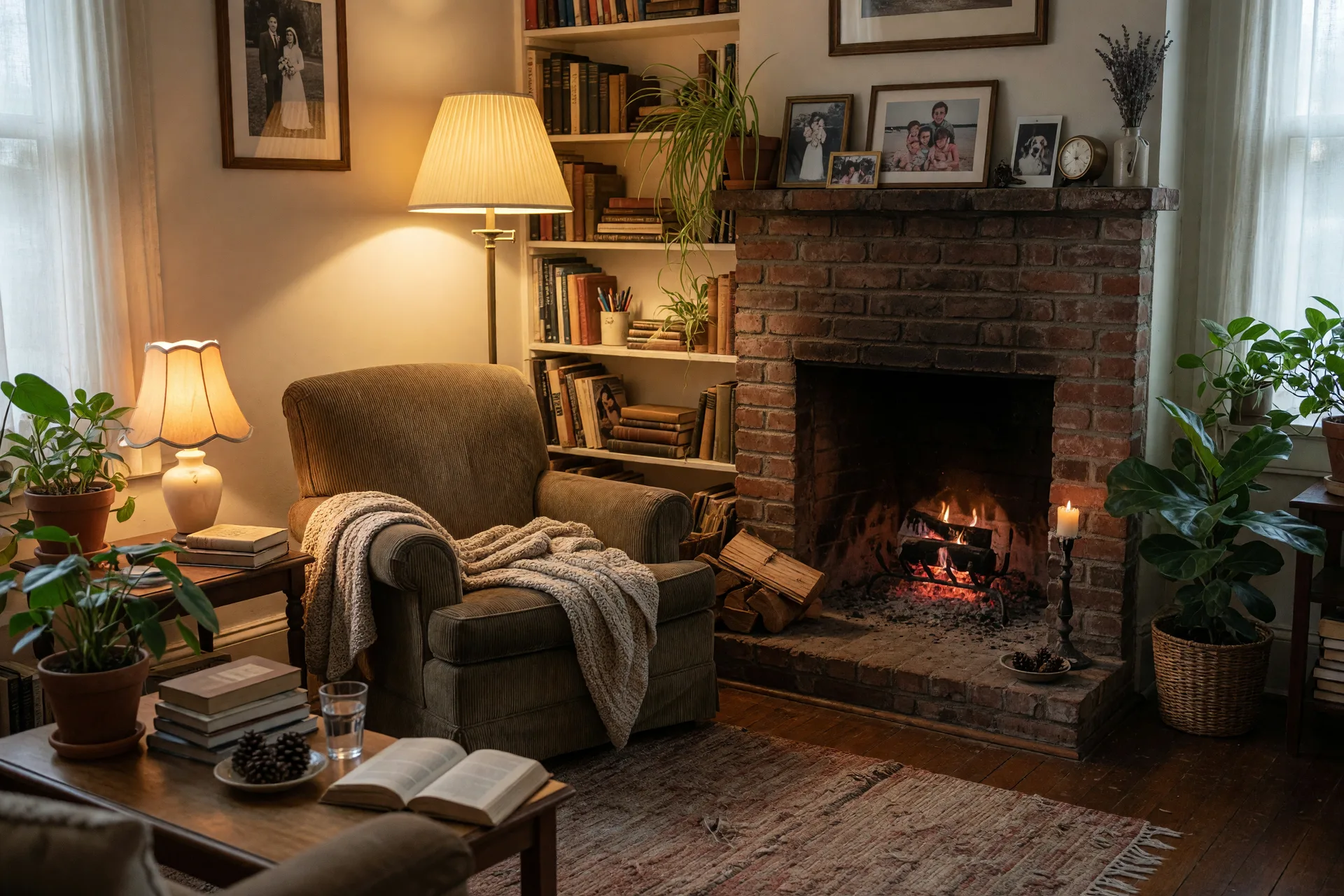
Option One
STAY
Does the house still work?
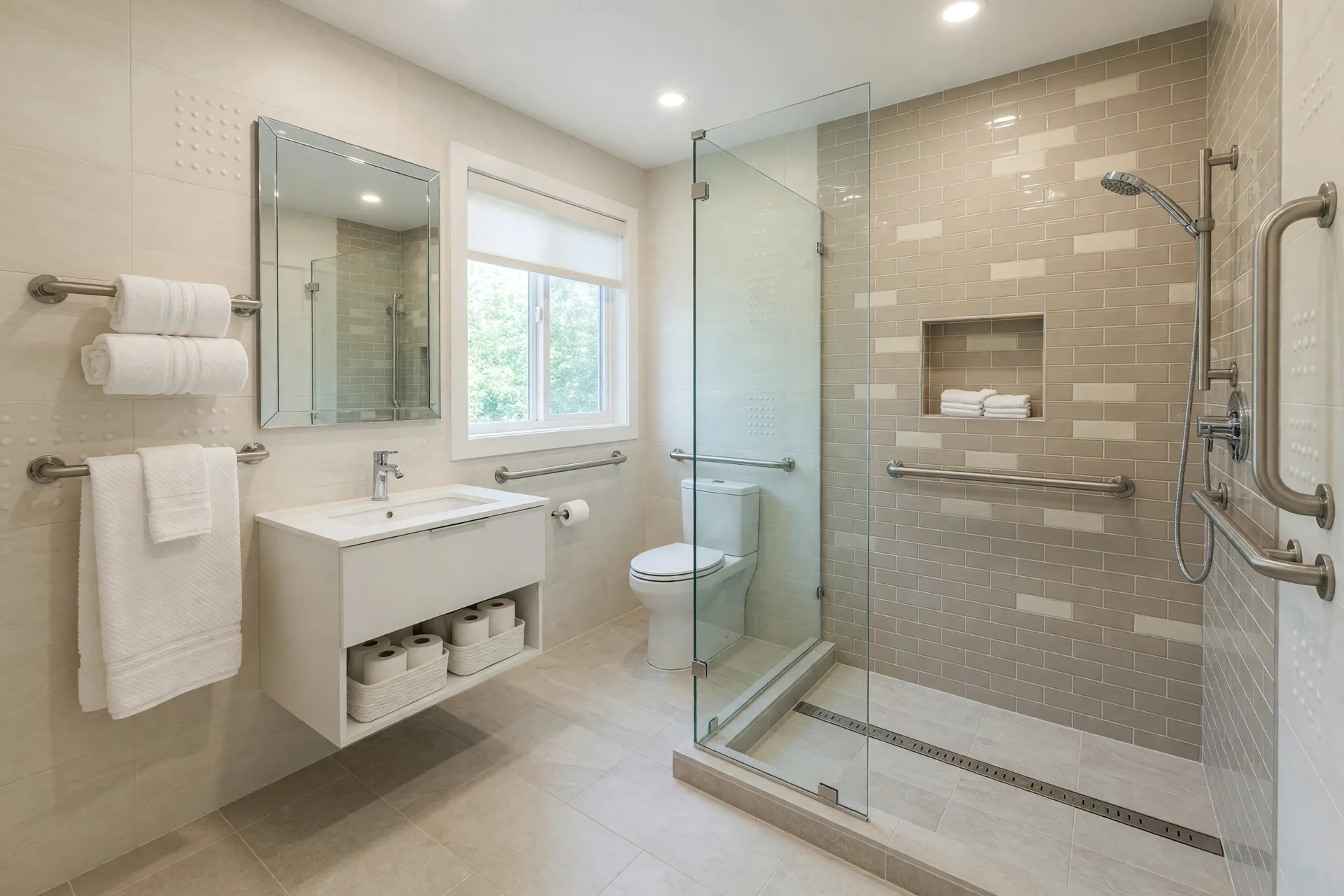
Option Two
MODIFY
Can we make it work?
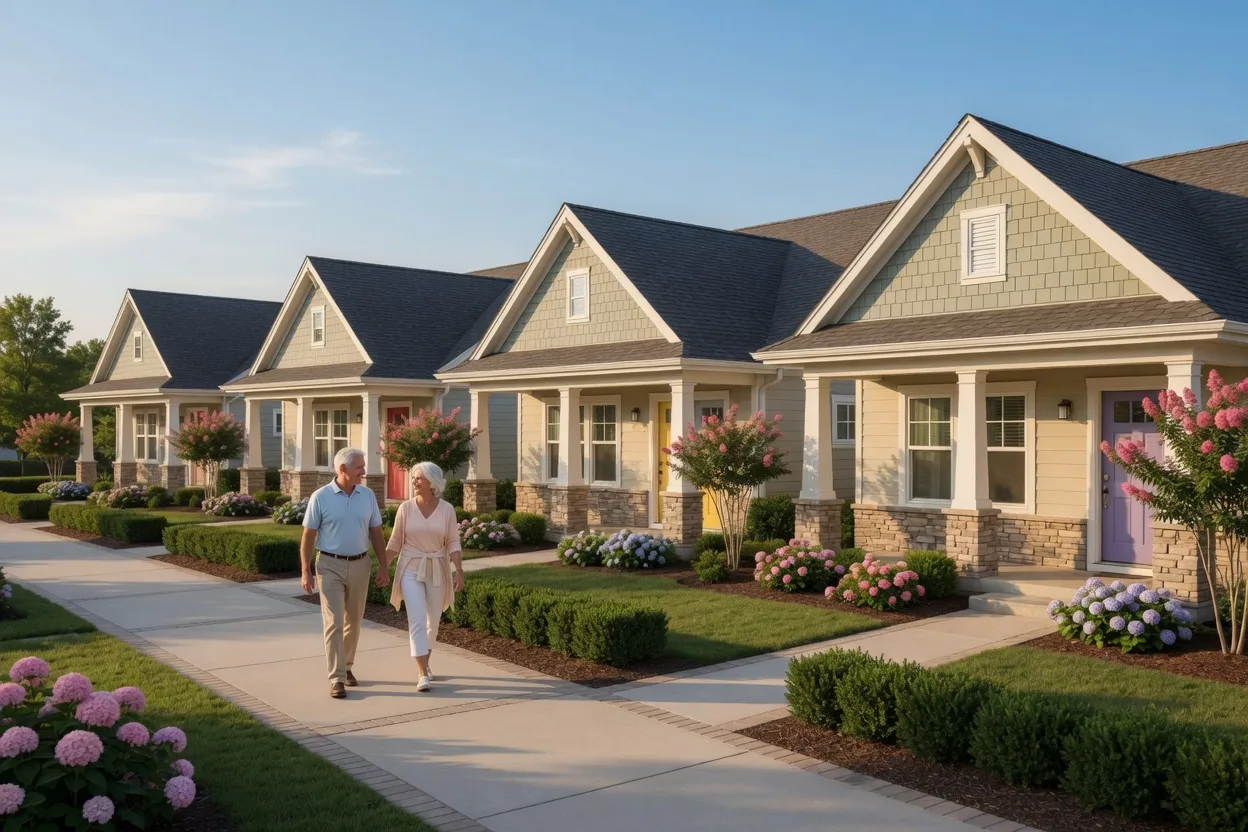
Option Three
MOVE
Would another home provide a better life?
There is no predetermined answer.
5. What Happens If My Health, or My Spouse's Health, Suddenly Changes?
Direct answer: This is the question most of us avoid, and it may be the most important one. The CDC reports more than 14 million adults 65 and older, about one in four, fall each year. One event can change everything, turning a someday decision into an urgent one. And if a spouse becomes the caregiver, the house has to work for both of you.
This is the question most of us would rather not think about. But it may be the most important one. Falls are the leading cause of injury among adults 65 and older. The CDC reports that more than 14 million adults 65+, about one in four, report falling each year. Most falls don't create a housing crisis. But sometimes one event changes everything: a fall, surgery, a stroke, an illness, a hospitalization followed by rehabilitation. Suddenly, someone who was walking upstairs a month ago is coming home using a walker. And the question changes. It isn't "Should we think about downsizing someday?" It's "Can Mom or Dad safely come home?"
Where will they sleep? Where is the full bathroom? Can they get into the shower? Can they get through the front door? Can they move around safely? Who is going to help them? The housing decision everyone thought they had years to make can suddenly become urgent.
The Healthy Spouse Test
There's another side of this that doesn't get enough attention. If you're married, imagine that you can't use the stairs tomorrow. Could your spouse comfortably care for you in this house? Could they help you get to the bathroom? Could they help you shower? Would they need to steady you on stairs? Could they safely help you stand or move? Would they have to carry laundry between floors while also caring for you? Could they leave you alone without worrying?
We usually focus on the person who needs care. I also want you to think about the person providing it. A house that makes mobility difficult for one spouse can make caregiving much harder for the other. That can affect the quality of life of both people. Aging-in-place planning isn't simply about keeping one person in the house. It's about creating a living situation that works for both of you.
6. Will Staying Here Still Give Me the Life I Want?
Direct answer: An accessible bathroom does not guarantee a good life. Ask what happens outside the house: friends, family, doctors, shopping, activities. And ask what happens if you stop driving. AARP's research stresses transportation, healthcare, social activities and community resources, not just the home itself. There is a difference between remaining in your house and living well in it.
This may be the most overlooked part of aging in place. Let's say we modify the house: main-level bedroom, accessible bathroom, safer entrance. Problem solved? Not necessarily. What happens outside the house? Where are your friends? Where are your children and grandchildren? Where are your doctors? Where do you shop? What do you enjoy doing? Golf, swimming, church, walking, restaurants, volunteering, travel, going to the gym, seeing friends for lunch?
Now ask another question: what happens if you stop driving? Can you still get groceries? Can you see friends? Can you get to your doctor? Can you participate in activities? Can family easily visit you? Or does your world slowly become the four walls of your house?
That's why aging in place requires more than an accessible bathroom. You have to plan for your life, not simply your living space. AARP's research on aging in place emphasizes the importance of transportation, healthcare, social activities and community resources in addition to the home itself.
There's a big difference between being able to remain in your house and continuing to live well in your house. The goal shouldn't be staying home as long as humanly possible. The goal is living as well as possible for as long as possible.
The Biggest Mistake May Be Waiting
There's actually a fourth option beyond Stay, Modify or Move: WAIT. "We'll talk about it next year." "We have plenty of time." "We're not ready." I understand. Moving after 20, 30 or 40 years can feel overwhelming. There are closets full of things, furniture, family photographs, boxes in the basement, things the kids left behind, repairs you've been putting off, and a lifetime of memories. So doing nothing is easier. Next year becomes the following year. And maybe that's okay. But sometimes something happens before next year arrives. That's what I want families to avoid. You don't necessarily need to move today. You need to understand your choices today.
Why the Right Experts Matter
Aging in place isn't simply a real estate problem. Depending on your situation, the right team might include: an occupational therapist, an aging-in-place specialist, a qualified contractor, a financial planner, a CPA, an estate-planning or elder-law attorney, a senior move manager, a home-care professional, and, when real estate becomes part of the conversation, a real estate professional who understands older homeowners. You may not need all of them. But you need the right expertise for the decisions you're making.
The same thing applies when choosing a Realtor. Someone who spends most of their time helping young first-time buyers may be excellent at that job. But this is a very different conversation. Do they understand why a main-level full bathroom matters? Are they thinking about what happens if one spouse becomes the caregiver? Do they understand that selling a home after 30 or 40 years isn't simply putting a sign in the yard? What happens to all the belongings? What should be repaired? What shouldn't? Who handles the landscaping, painting, packing, clean-out, staging? And where are you going next? Sometimes two spouses aren't even ready to make the decision at the same time.
This isn't simply a real estate transaction. It's a life transition. That's one reason I earned the Seniors Real Estate Specialist (SRES) designation. But the designation alone isn't the point. Experience matters. I've dealt with many of these situations personally, with family and friends, and professionally with the families I've helped. I know enough to know when we need another expert at the table.
Build a 3-5 Year Home Plan
I'm not asking you to decide where you'll live for the rest of your life. That's too big. Let's answer something much easier: Will your home still fit your life 3-5 years from now? Ask yourself these six questions:
- Can I safely age in place in this house?
- Can the house reasonably be modified, and is the investment worth it?
- What does staying here really cost every year?
- Would staying, modifying or moving give us a better life?
- Could this house still work if my health, or my spouse's health, changed?
- Will living here allow me to keep doing the things and seeing the people that matter to me?
Maybe you answer all six and decide: we're staying. Perfect. Now you're staying because you made an informed decision. Maybe you discover three modifications that could make the house safer and easier. Great. You've bought yourself time. Or maybe you realize another home could provide easier living, less maintenance and more freedom. Then explore it. There is no predetermined answer.
Plan While You Have Choices
After decades in real estate, I've learned that the best housing decisions aren't always the ones that result in a sale. Sometimes staying is the right answer. Sometimes modifying the house is the right answer. Sometimes moving opens the door to an easier next chapter. What I don't like seeing is a family forced to make these decisions during an emergency. Not after a fall. Not while one spouse is in rehab. Not when the stairs suddenly become impossible. Not while the children are trying to figure everything out.
Start before you have to. Look at the house. Look at the money. Look at your health. Look at your spouse. Look at your family. Look at your activities. And look at the life you want to keep living. Then decide: STAY. MODIFY. MOVE. You don't have to sell. You don't have to renovate. You don't even have to make the decision today. But you should have a plan.
Want to Talk Through Your Situation?
If you own a home in Washington, DC, Maryland or Northern Virginia and you're starting to think about the next 3-5 years, I'm happy to talk it through with you. We can discuss your home, what might be needed to stay comfortably, what modifications may make sense, what the property may be worth and what your other housing options could look like. If staying makes sense, I'll tell you. If modifying makes sense, let's identify the right experts. And if moving eventually becomes the answer, we can handle as much or as little as you need, from sorting and packing to clean-out, landscaping, painting, repairs, updates, staging and selling. No pressure to sell. Just a conversation about your options.
Or start by asking yourself one question tonight: Will my home still fit my life 3-5 years from now? Plan while you have choices.
Marc Cormier, SRES
Marc Cormier is a Seniors Real Estate Specialist (SRES) serving homeowners and families throughout Maryland, Washington DC and Northern Virginia. This article is for general educational purposes. Housing, accessibility, medical, legal, financial and tax needs vary. Consult the appropriate professional for advice specific to your situation.
Berkshire Hathaway HomeServices PenFed Realty · License 620443, MD · About Marc
Keep Reading
Related Reading
- Maryland ADU Rules: Bethesda, Potomac & Rockville Guide What Montgomery County homeowners should know about accessory dwelling units, the October 1, 2026 deadline, and whether an ADU could keep your home working another 3-5 years.
- Should I Stay, Modify, or Move? A neutral comparison of the three choices, with a side-by-side table of how each factor plays out.
- Aging in Place in Silver Spring A community-specific look at what staying put in a Silver Spring home really involves.
- What Home Modifications for Aging in Place Actually Cost Realistic cost guidance for the changes that make a home work as you age.
- The Real Cost of Downsizing in Montgomery County What the move actually costs when you sell a larger home in Montgomery County.
- Maryland Senior Property Tax Credits How Maryland's property tax credits can change the math of staying put.
- The Two Paths to Downsizing in Maryland Two very different ways to make a downsizing move, compared side by side.
- The 90-Day Downsizing Checklist A week-by-week plan for getting the house ready to sell in 90 days.