Reverse Mortgage After Death
What Happens to a Reverse Mortgage After Death?
The loan becomes due and payable. Heirs get 30 days after the lender's notice to sell the home, pay it off, or turn it over to the lender. That window is usually extendable up to six months, and HUD can grant further extensions in some cases.

About the Author
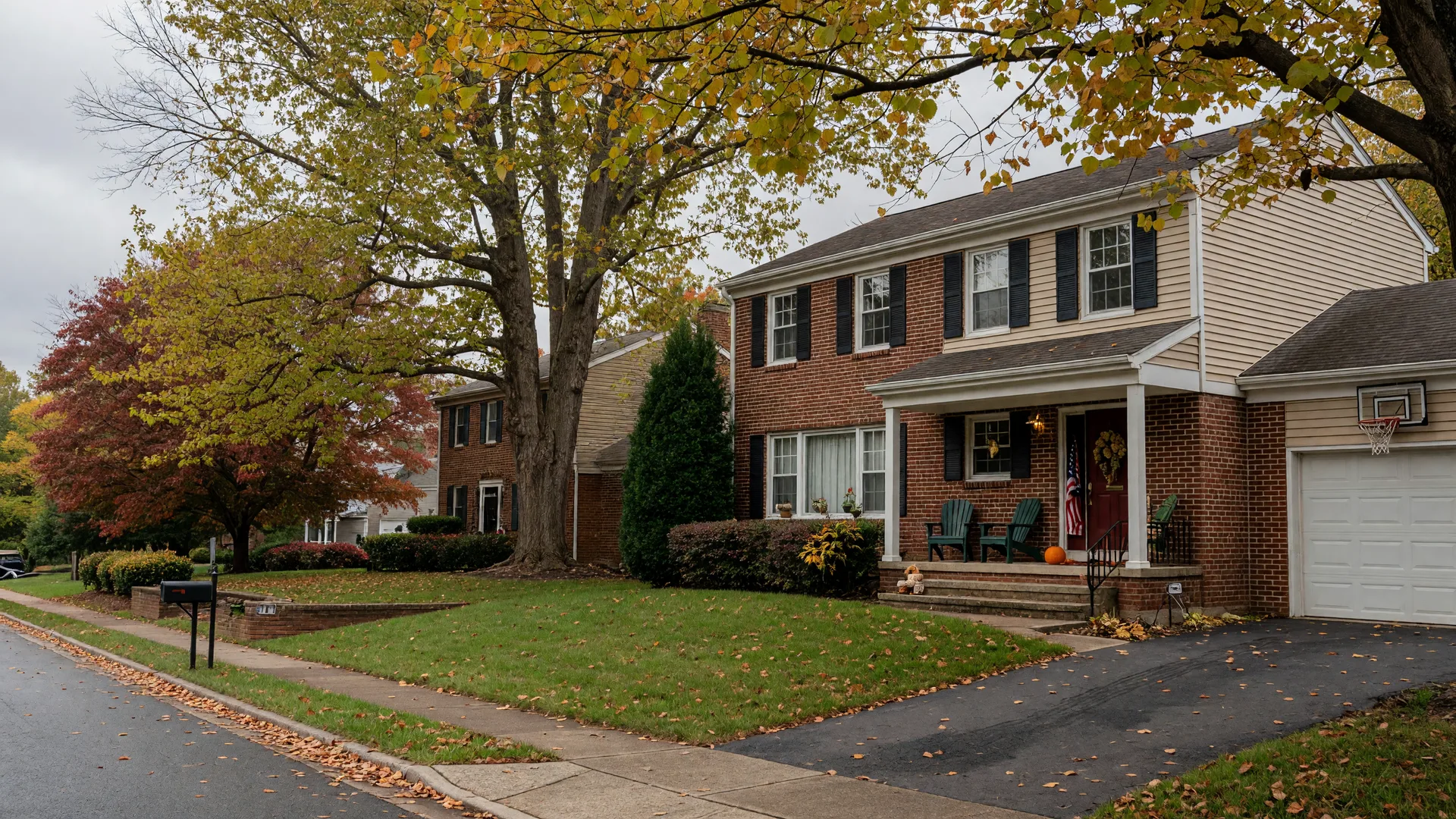
Marc Cormier, Seniors Real Estate Specialist (SRES)
Marc Cormier is a Realtor licensed in Maryland (#620443). He holds the Seniors Real Estate Specialist (SRES) designation along with certifications in divorce real estate, distressed property, international property, residential construction, and luxury home marketing. He has 27 years of experience and close to 1,000 homes sold, serving homeowners throughout Maryland, Virginia, and Washington DC, including Montgomery County, Potomac, Bethesda, Chevy Chase, Rockville, and surrounding communities. He has personally been hired to prepare and sell foreclosed HECM properties in Montgomery County.
The real timeline and numbers
A reverse mortgage does not transfer to heirs the way a regular mortgage does. It cannot be assumed. Three events trigger the due-and-payable status, according to the Consumer Financial Protection Bureau:
- The last borrower, and any eligible non-borrowing spouse, dies
- The borrower sells the home or transfers the title
- The borrower permanently moves out as their primary residence
Once the lender issues the notice, the clock starts. Heirs have 30 days to decide. Lenders can extend that up to six months if the family is actively working toward a sale or a payoff. HUD can approve additional extensions beyond that in some circumstances.
What heirs owe depends on what they choose to do:
- Sell the home. If it sells for more than the loan balance, heirs keep the difference. If it's worth less than the balance, heirs can satisfy the debt by selling for at least 95% of the appraised value. The gap is covered by the mortgage insurance the borrower paid into during the life of the loan.
- Keep the home. Heirs pay off the full loan balance, usually by refinancing into a traditional mortgage or paying cash. The 95% discount only applies when the home is being sold, not when heirs want to keep it.
- Walk away. Heirs can hand the home to the lender and owe nothing personally. A reverse mortgage is non-recourse. Heirs are never on the hook beyond the value of the house itself.
What it looks like when nobody acts in time
Over the last several years I've been hired to sell a number of foreclosed HECM properties in Montgomery County. In most of those homes, the only person who had set foot inside since the borrower died was the bank's field representative.
Years of sitting empty leave a mark. Floors rot through. Clutter fills every room. These homes are usually in solid, well kept neighborhoods, so vandalism isn't the problem. The neglect is. It often looks like the owner walked out one day and never came back. Dishes still sitting in the sink. The bed left unmade.
Nobody plans for a house to end up like that. It happens because the 30-day clock starts, nobody with legal authority steps in fast enough, and the property sits until the bank takes it back. By the time it reaches me to sell, the equity that could have gone to the family has already been eaten up by years of deferred maintenance.
Getting one of these properties ready to sell almost always starts with a dumpster. The trash-out comes first. After that comes the deferred maintenance, the repairs a property needs before it can even qualify for a buyer's financing. More than a few times, that work has turned up a roof leak that had been running unchecked for years. Water damage doesn't stop at the ceiling. It works its way into framing, insulation, floors below. Every month that goes unaddressed is money coming straight out of what the family would have walked away with.
From the day I'm assigned one of these properties to the day it's market ready typically runs 2 to 6 weeks. The range depends on how much work the house needs and the time of year. We're in the Northeast, so if the property sits vacant through winter it needs to be winterized, and that adds time on the front end.
The trash-out alone runs $1,000 to $7,000 or $8,000. What drives the cost is volume and disposal type. Regular household debris can go straight to the dump. Anything hazardous, like old paint, chemicals, or certain building materials, has to be disposed of differently, and that's what pushes the number toward the higher end.
Most heirs find out about the reverse mortgage after the borrower has already passed. At that point the clock is already running, and the estate often has to go through probate before anyone has the legal authority to sell, refinance, or even talk to the servicer about the loan.
That's the part that costs people money. Not the loan terms. The authority to act on them.
If you know in advance that you're inheriting a home with a reverse mortgage, the fix is simple: get named on the title or named as successor beneficiary on the trust while the borrower is still living, and have them send the servicer written authorization for you to discuss the loan. That one step can be the difference between selling a house and selling what's left of one.
Why one phone call changes the outcome
Every foreclosed HECM property I've listed didn't have to end up that way.
Even in cases with zero equity or negative equity, banks will often let the estate liquidate the property itself rather than take it back through foreclosure. Sometimes the estate still walks away with some money. That outcome is not complicated to get to. It just requires the personal representative knowing who to call.
Most personal representatives try to handle this alone. Most of the time, that doesn't work out. They lose time they didn't have to lose. They get frustrated dealing with a servicer that isn't built to walk an individual through the process. And in the end, they often walk away with less money than if an experienced agent had been brought in from the start.
One conversation with an agent who's handled these before can change the whole outcome. It can also stop the house from sitting empty and falling apart while the clock runs. Nobody wants to watch the home their parents lived in turn into the kind of property that needs a dumpster before anyone can walk through the door.
If you're serving as personal representative on an estate with a reverse mortgage, reach out before the 30 days turn into a foreclosure timeline. That call costs nothing and it's the single thing most likely to change what the family walks away with.
Related questions
Can heirs just take over the monthly reverse mortgage payments?
No. Reverse mortgages aren't assumable and were never built to pass from generation to generation. The loan comes due in full once the last borrower is gone.
What if the house is worth less than what's owed?
Heirs are protected. They can satisfy the loan by selling for 95% of the appraised value, with FHA mortgage insurance covering the shortfall. Nobody pays the difference out of pocket.
Do heirs need to go through probate first?
Usually yes, unless the home was already titled in a trust or the heir was added to the title before the borrower's death. Without that, the estate typically needs probate authority before the home can be sold or refinanced.
What if there's zero equity or the loan balance is higher than the home is worth?
It's still often worth a conversation before assuming the estate walks away with nothing. Banks will sometimes let the estate liquidate the property itself rather than take it back, and in some of those cases the estate still ends up with money. An experienced agent knowing who to call at the servicer makes the difference.
What happens if heirs miss the 30-day window?
The lender can begin foreclosure. In practice, lenders generally work with heirs who stay in contact and show they're actively pursuing a sale or payoff. Silence is what triggers foreclosure, not the calendar date itself.
What to do next
If you're a personal representative dealing with a reverse mortgage on an estate, don't try to navigate this alone and don't wait to see what happens. A HUD-approved housing counselor can walk through the loan numbers, and an experienced agent can tell you within one conversation whether there's still money to be had, even in a zero or negative equity situation. If selling is on the table, see what your net proceeds would look like with the downsizing calculator.
Talk With Marc About the Estate
One conversation with an agent who has handled these before can change the whole outcome. It costs nothing and it's the single thing most likely to change what the family walks away with.
Talk With MarcWritten and reviewed by Marc Cormier, Realtor and Seniors Real Estate Specialist (SRES), Berkshire Hathaway HomeServices PenFed Realty. 27 years and close to 1,000 homes sold, serving Montgomery, Prince George's, and Howard Counties.
Sources and References
The timeline, payoff, and extension rules in this article come from official guidance published by the Consumer Financial Protection Bureau and the U.S. Department of Housing and Urban Development.
- Consumer Financial Protection Bureau, Reverse Mortgage Loans. The CFPB's official consumer guidance on how reverse mortgages work, including when the loan becomes due and payable.
- U.S. Department of Housing and Urban Development, Home Equity Conversion Mortgages (HECM). HUD's official program page for the HECM reverse mortgage, including repayment and extension rules for heirs.
Don't Let the 30-Day Clock Decide For You
If you're the personal representative on an estate with a reverse mortgage, reach out before the 30 days turn into a foreclosure timeline. That call costs nothing.
Marc Cormier, SRES with Berkshire Hathaway HomeServices PenFed Realty. Serving Maryland, Virginia and Washington DC.
Continue Learning
Related Guides and Resources
Reverse Mortgage or Downsize Instead?
Compare what a reverse mortgage and downsizing actually do to your equity, monthly costs, and what's left for heirs.
Read MoreDownsizing Cost Calculator
Estimate your net proceeds from downsizing using your actual home value and costs.
Run the NumbersSell a Parent's House After Assisted Living
A step-by-step guide for adult children preparing and selling a parent's home after a move or a loss.
Read MoreHave Questions About an Estate With a Reverse Mortgage?
Marc would be happy to help you understand your options. No pressure, no obligation. Just a conversation about what makes sense for you and your family.
Sorry, we couldn't reach our system. Your details were not sent. Please try again in a moment.
Thank you.
I will be in touch shortly to discuss your downsizing goals.
Something went wrong. Please try again or call me directly at (301) 660-6272.